
Collection: Hashi Classic
The Hashi (橋, bridge) Classic Collection of KOTAI offers you the opportunity to get creative at home. Made in Seki, Japan’s knife capital known all over the world for its high-quality blades and for its 800 years blacksmith’s knowledge, each knife is a symbol of minimalist culinary craftsmanship, bridging the way of an international culture into your own kitchen.

-
Made in Japan

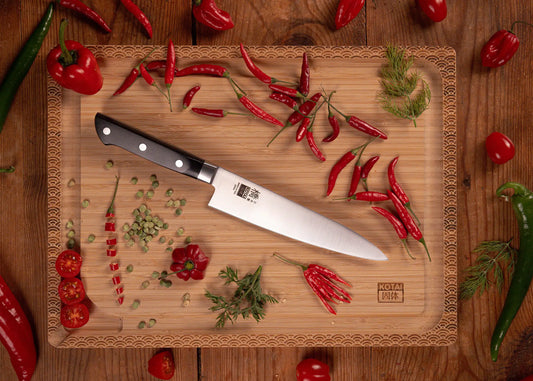
Gyuto Chef Knife 21 cm- HASHI CLASSIC COLLECTION
Regular price €140.00Regular priceUnit price per -
Made in Japan

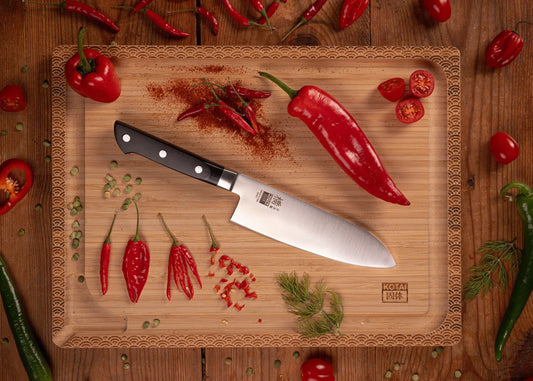
Santoku Knife 17 cm- HASHI CLASSIC COLLECTION
Regular price €120.00Regular priceUnit price per -
Made in Japan

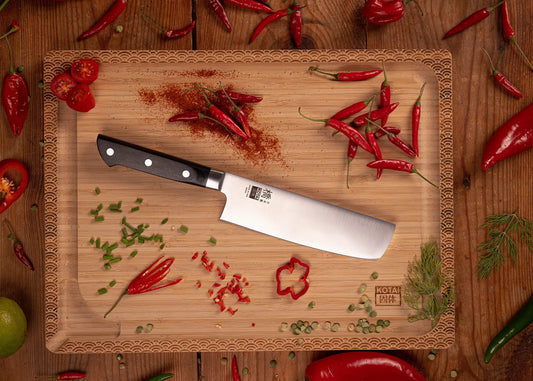
Nakiri Knife 16.5 cm- HASHI CLASSIC COLLECTION
Regular price €120.00Regular priceUnit price per -
Made in Japan

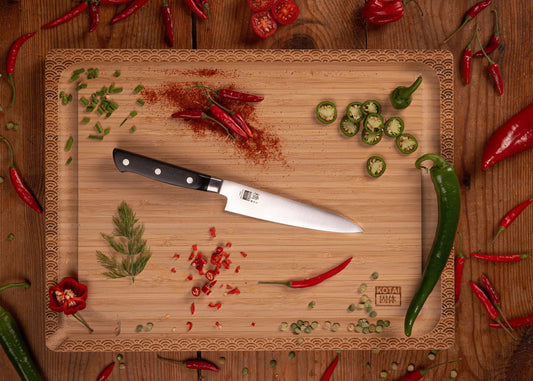
Petty Knife 13.5 cm- HASHI CLASSIC COLLECTION
Regular price €100.00Regular priceUnit price per -
Made in Japan

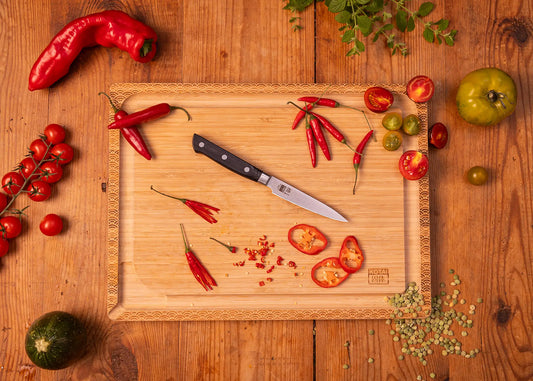
Paring Knife 9 cm- HASHI CLASSIC COLLECTION
Regular price €90.00Regular priceUnit price per -
Made in Japan

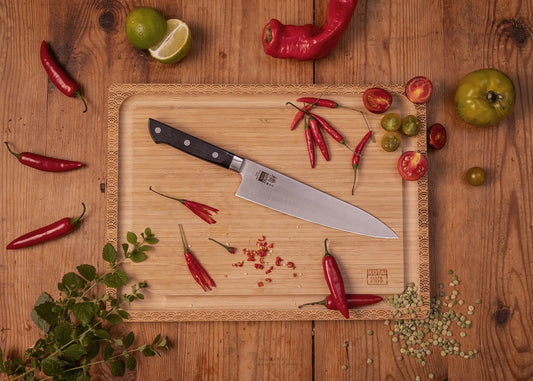
Complete 7-Piece Knife Set- HASHI CLASSIC COLLECTION
Regular price €680.00Regular priceUnit price per -
Made in Japan

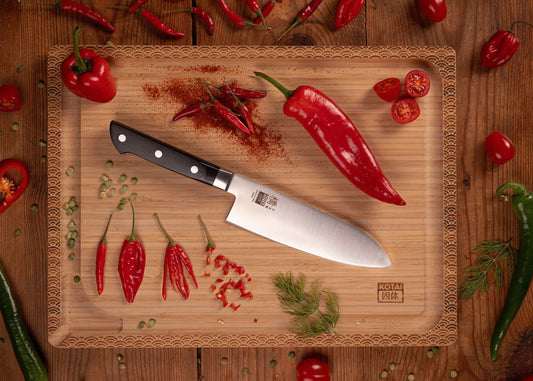
Starter 2-Piece Knife Set- HASHI CLASSIC COLLECTION
Regular price €210.00Regular priceUnit price per -
Made in Japan

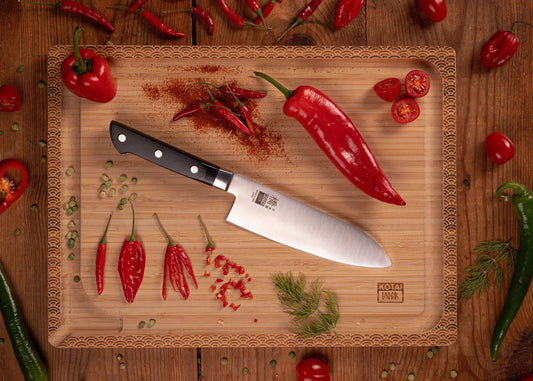
Complete 10-Piece Knife Set- HASHI CLASSIC COLLECTION
Regular price €895.00Regular priceUnit price per -
Made in Japan

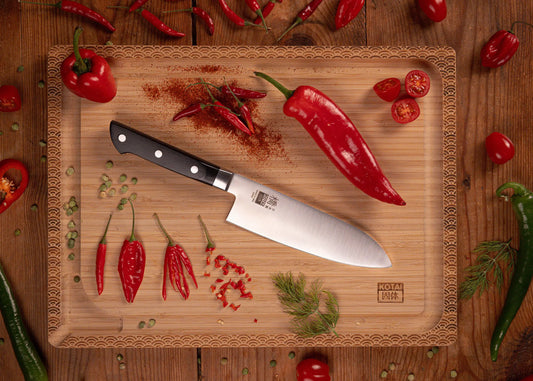
Deluxe 4-Piece Knife Set- HASHI CLASSIC COLLECTION
Regular price €325.00Regular priceUnit price per -
Made in Japan

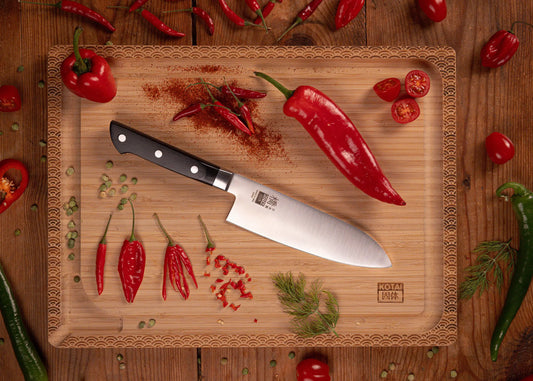
Complete 5-Piece Knife Set- HASHI CLASSIC COLLECTION
Regular price €570.00Regular priceUnit price per


Your Questions, Answered

Where are the knives made?
The Hashi range is manufactured in the city of Seki, Japan. It has been a city of blacksmiths for several centuries and hosts an annual knife festival every fall.
→ Learn more.
Why choose pakkawood?
Pakkawood, or pakka wood, is often used in the design of kitchen utensils because it offers several advantages.Its texture feels comfortable in hand and doesn’t slip, even when wet, unlike steel handles.In addition, it is less prone to rotting or swelling than traditional wood and won’t splinter.
Pakkawood ages well over time, making it a logical choice for durable and robust knives.
What’s the difference between single-layer steel and Damascus steel?
Damascus steel provides a sharper edge while also protecting the knife from impacts thanks to multiple layers of steel wrapped around a central core. However, this manufacturing method is more expensive and time-consuming compared to a single-layer steel blade, which is still perfectly suitable for home or professional use.
-

Free Shipping
In the US & EU
-

4.8/5
Google Reviews
-

Lifetime
International Warranty
-

Free 3X
Payment


