
Collection: Pakka Knives
Gyuto, Santoku, Cleaver, Serrated Bread, Fillet Knife, Paring knife… The collection offers a selection of 6 blades to answer all your needs.
Whether you are right-handed or left-handed, the round pakkawood handle, polished by hand, allows you to cook with confidence thanks to a firm and comfortable grip offering superior control and a smooth cutting experience with each use.

-
Best Seller
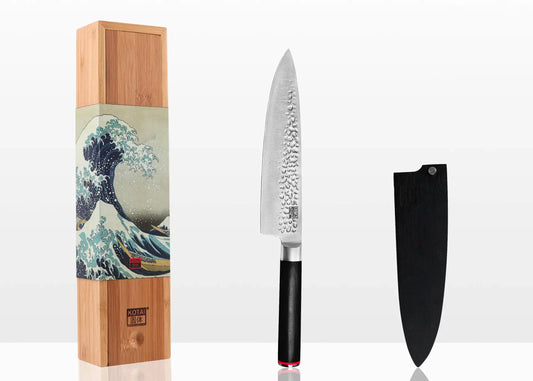
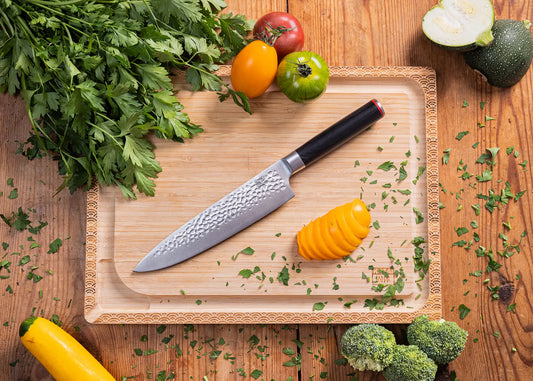
Gyuto Chef Knife 20 cm- PAKKA COLLECTION
Regular price €120.00Regular priceUnit price per€160.00Sale price €120.00 -
Best Seller
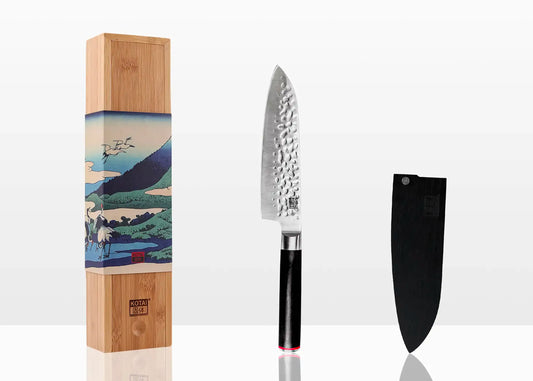
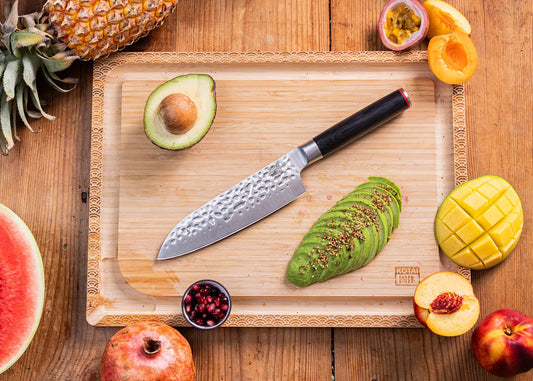
Santoku Knife 18 cm - PAKKA COLLECTION
Regular price €110.00Regular priceUnit price per€150.00Sale price €110.00 -
Best Seller
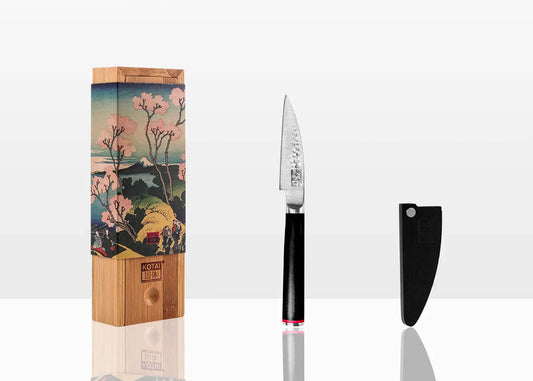
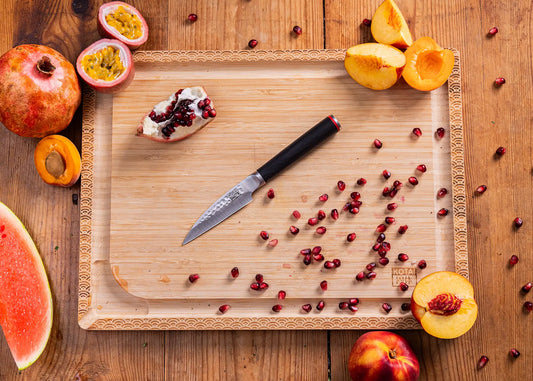
Paring Knife 9 cm- PAKKA COLLECTION
Regular price €70.00Regular priceUnit price per€110.00Sale price €70.00 -

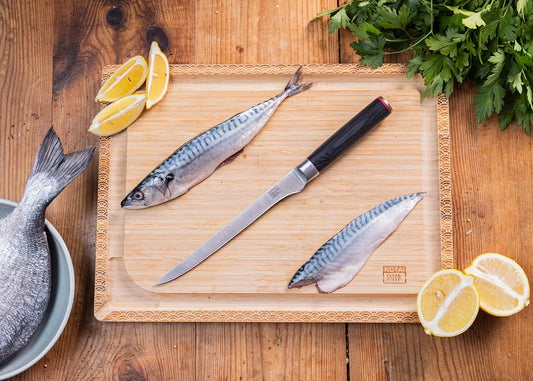
Flexible Fillet Knife 20 cm- PAKKA COLLECTION
Regular price €100.00Regular priceUnit price per€140.00Sale price €100.00 -

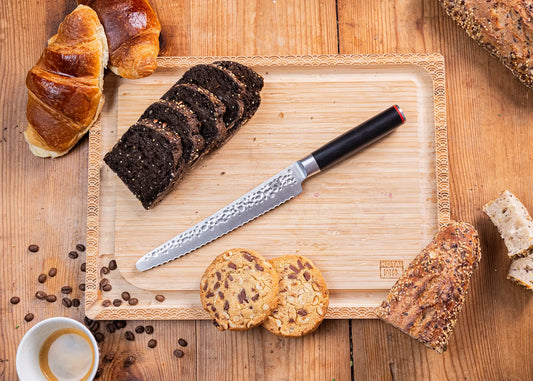
Serrated Bread Knife 20 cm blade- PAKKA COLLECTION
Regular price €100.00Regular priceUnit price per€140.00Sale price €100.00 -
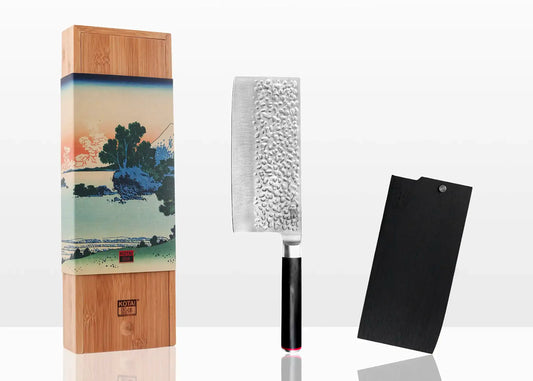
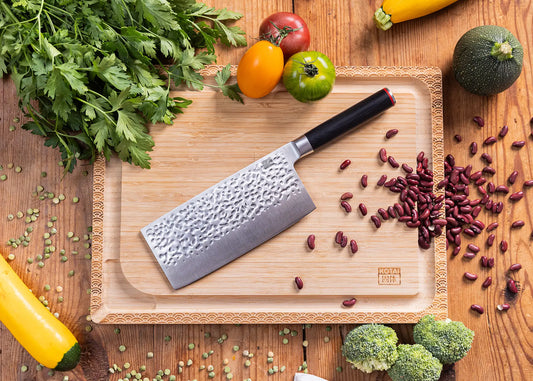
Cleaver (Chinese Chef's Knife) 19 cm- PAKKA COLLECTION
Regular price €130.00Regular priceUnit price per€170.00Sale price €130.00 -
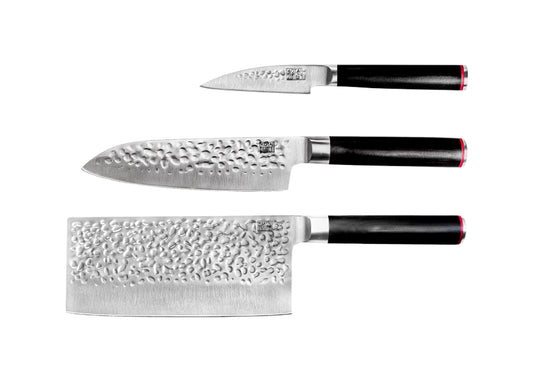
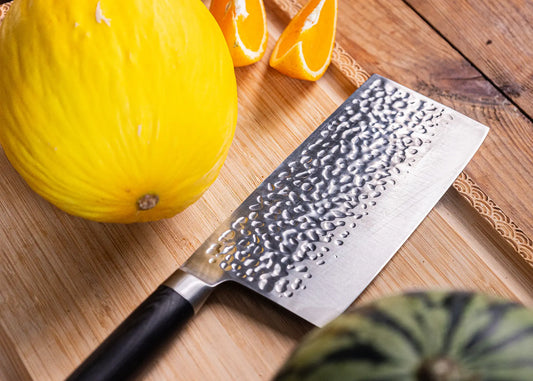
Asian 3-Piece Knife Set- PAKKA COLLECTION
Regular price €310.00Regular priceUnit price per€430.00Sale price €310.00 -

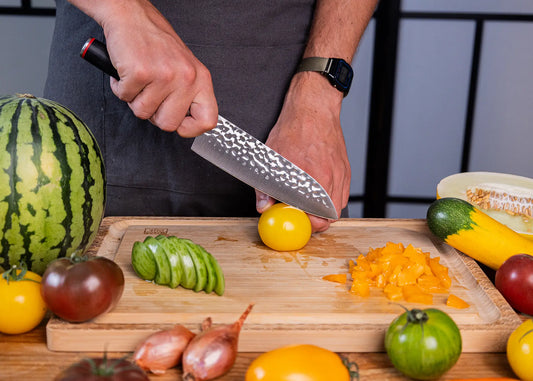
Asian 5-Piece Knife Set- PAKKA COLLECTION
Regular price €420.00Regular priceUnit price per€580.00Sale price €420.00 -

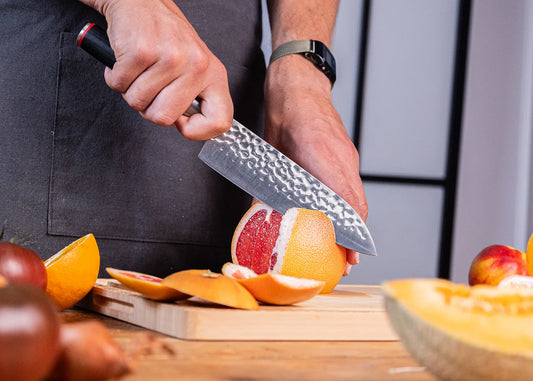
Asian Deluxe 6-Piece Knife Set- PAKKA COLLECTION
Regular price €485.00Regular priceUnit price per€665.00Sale price €485.00 -

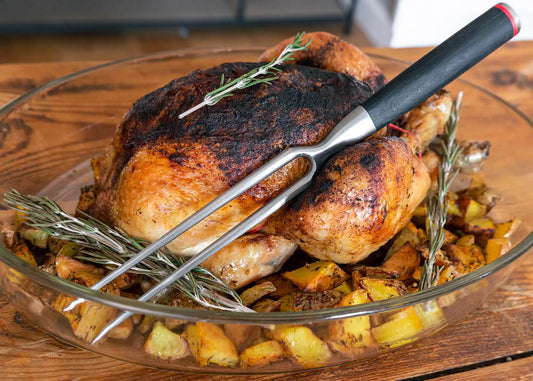
BBQ 4-Piece Knife Set- PAKKA COLLECTION
Regular price €280.00Regular priceUnit price per€380.00Sale price €280.00 -
Best Seller

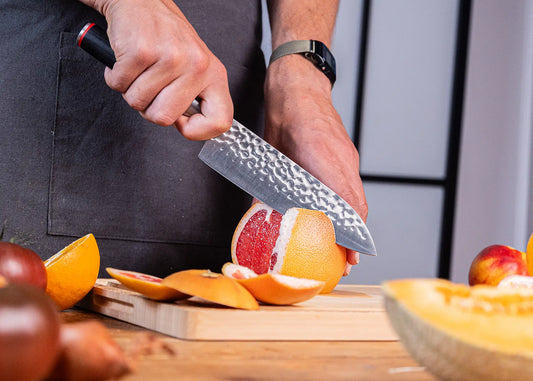
Complete 11-Piece Knife Set- PAKKA COLLECTION
Regular price €915.00Regular priceUnit price per€1,255.00Sale price €915.00 -

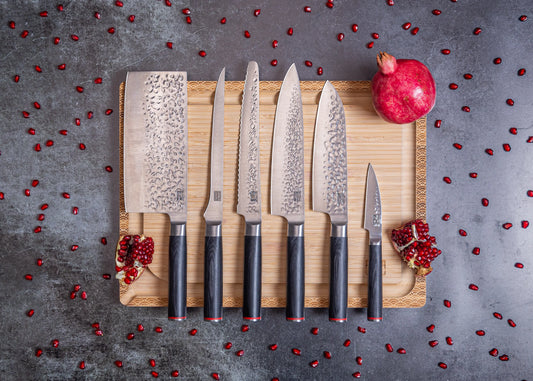
Complete 6-Piece Knife Set- PAKKA COLLECTION
Regular price €630.00Regular priceUnit price per€870.00Sale price €630.00


Your Questions, Answered

Why choose pakkawood?
Pakkawood, or pakka wood, is often used in the design of kitchen utensils because it offers several advantages.Its texture feels comfortable in hand and doesn’t slip, even when wet, unlike steel handles.
In addition, it is less prone to rotting or swelling than traditional wood and won’t splinter. Pakkawood ages well over time, making it a logical choice for durable and robust knives.
What are the advantages of 440C steel?
440C steel from Aichi Steel is a high-carbon Japanese stainless steel: it is much less prone to rust than carbon steel. In addition, its heat treatment (also known as “tempering”) allows KOTAI knives to reach a hardness of HRC 60 ±1 without compromising toughness or impact resistance.
What’s the difference between single-layer steel and Damascus steel?
Damascus steel provides a sharper edge while also protecting the knife from impacts thanks to multiple layers of steel wrapped around a central core. However, this manufacturing method is more expensive and time-consuming compared to a single-layer steel blade, which is still perfectly suitable for home or professional use.
-

Free Shipping
In the US & EU
-

4.8/5
Google Reviews
-

Lifetime
International Warranty
-

Free 3X
Payment


